
TL;DR
LLM SEO (Large Language Model SEO) is the process of optimizing content so AI tools like ChatGPT, Google AI Overviews, Gemini, Perplexity, and Claude can find, understand, and cite it in their answers instead of just ranking it on search engines.
Key Takeaways
- LLM SEO = getting cited by AI, not just ranking on Google
- Focus on clarity, structure, and authority (E-E-A-T)
- Answer-first content performs best in AI responses
- Zero-click searches are increasing rapidly
- LLM SEO + traditional SEO = complete digital visibility
- Structured, fact-rich content has a higher chance of being cited
Table of Contents
What Is LLM SEO?

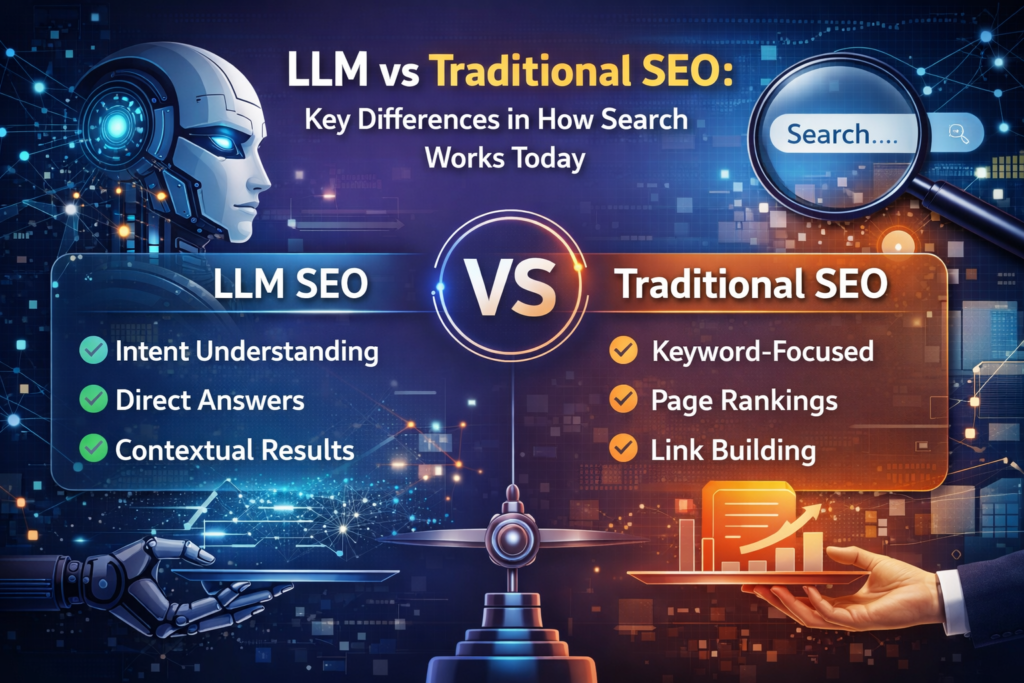
LLM vs. traditional SEO refers to the difference between optimizing content for search engine rankings and for inclusion in AI-generated answers. Traditional SEO focuses on improving visibility through rankings, traffic, and clicks. In contrast, LLM SEO focuses on ensuring that content, brands, and concepts are clearly understood and confidently referenced by AI systems.
In the discussion of llm seo vs traditional seo, the distinction becomes practical. SEO helps users find your website, while LLM optimization helps AI systems use your content in responses, recommendations, and summaries. As AI-driven search continues to grow, both approaches play a critical role in shaping how users discover and trust information.
What is an LLM in SEO?
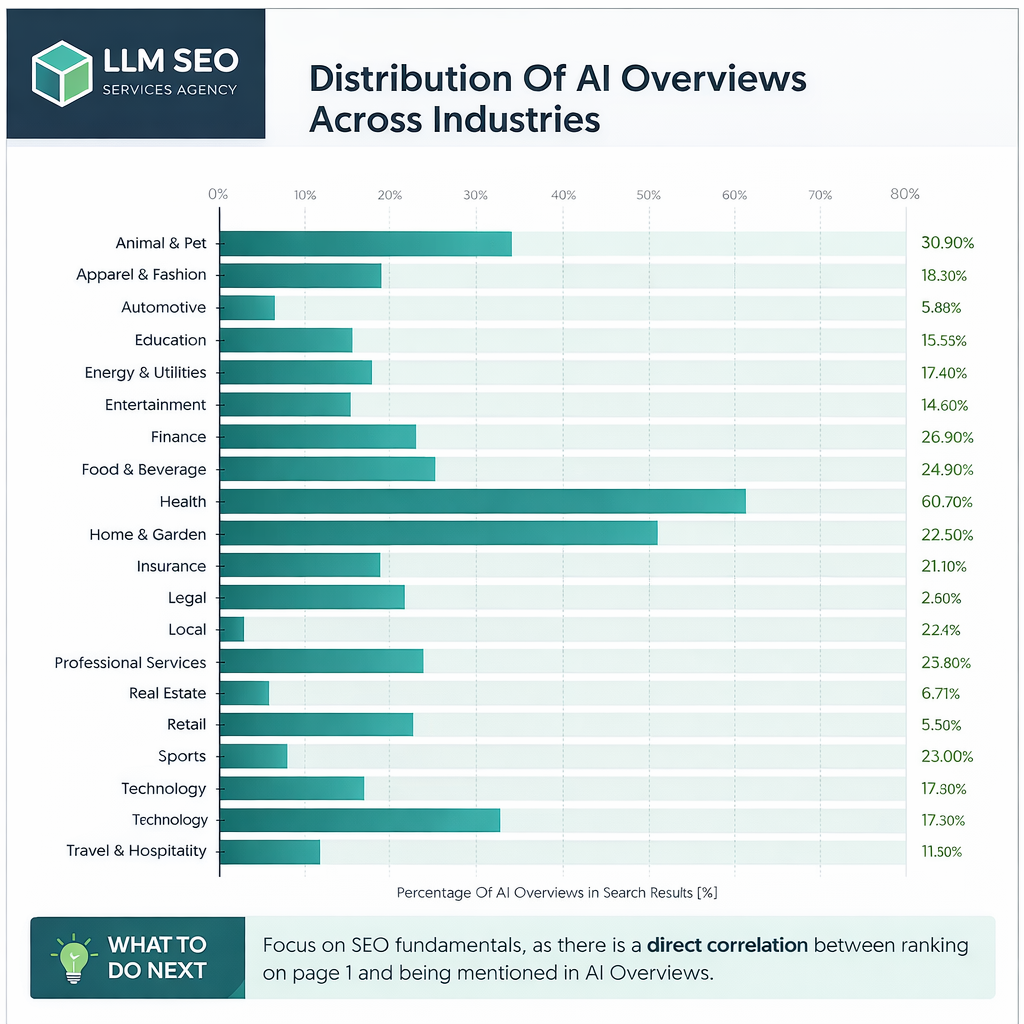
In SEO, LLM stands for Large Language Model, a type of advanced AI system trained on massive datasets to understand, process, and generate human-like language.
These models include:
- ChatGPT
- Gemini
- Claude
Unlike traditional search engines that return a list of links, LLMs:
- Interpret intent behind queries
- Generate contextual answers
- Combine information from multiple sources
This fundamentally changes how content is discovered. Instead of competing for rankings, you are now competing to become a trusted source of truth for AI systems.
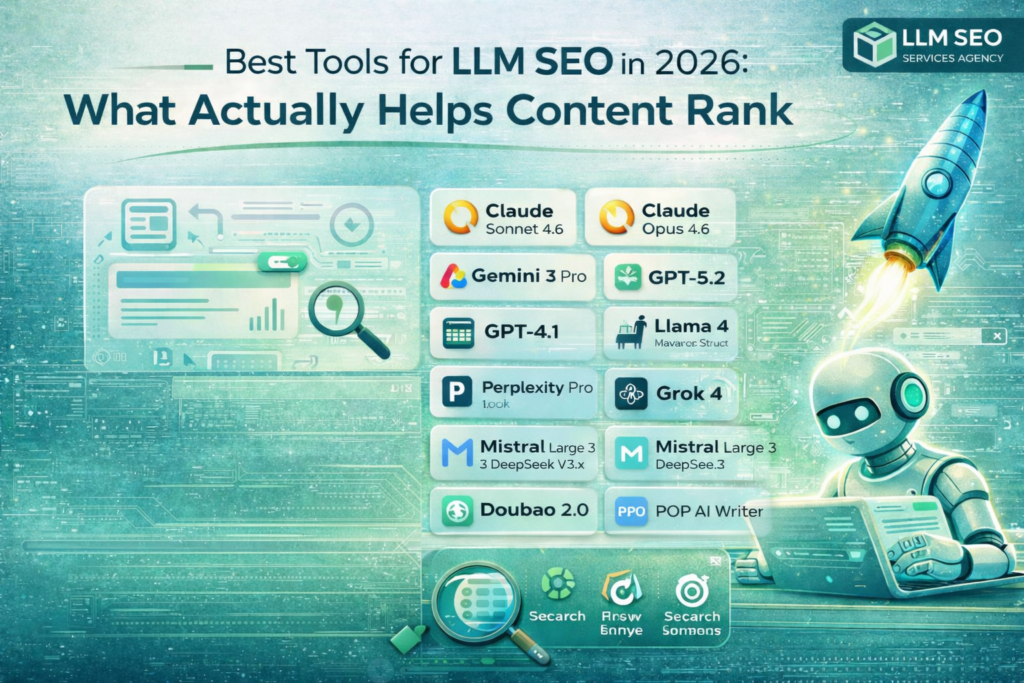
Also read – best tools for llm seo
What Is LLM SEO Called?
Different names across the industry often refer to LLM SEO:
- AI SEO
- Generative Engine Optimization (GEO)
- Answer Engine Optimization (AEO)
- LLM Optimization (LLMO)
While the terminology varies, the concept remains the same:
Optimizing content so it performs inside AI-generated answers, not just search engines
Each term slightly shifts focus:
- AEO → Answer-focused optimization
- GEO → Optimization for generative engines
- LLMO → Broader AI visibility strategy
LLM SEO vs Traditional SEO

LLM SEO doesn’t replace traditional SEO—it evolves it.
| Feature | Traditional SEO | LLM SEO |
| Goal | Rank #1 on SERPs | Get cited in AI answers |
| Focus | Keywords, backlinks | Context, clarity, trust |
| Content Style | Keyword-optimized | Conversational & direct |
| Metrics | Traffic, CTR | Mentions, citations |
| Output | List of links | Direct answers |
In LLM vs Traditional SEO, Traditional SEO is about being found.
LLM SEO is about being used as the answer.
Both still matter. Strong SEO fundamentals (technical performance, quality content) directly support LLM SEO success.
LLM SEO vs LLMO
There’s often confusion between LLM SEO and LLMO.
- LLM SEO focuses on optimizing content for AI search features like Google AI Overviews
- LLMO (Large Language Model Optimization) focuses on your brand’s overall presence across all AI platforms
Key Difference:
- LLM SEO → Content-level optimization
- LLMO → Brand-level visibility strategy
For example:
- Writing structured blog content = LLM SEO
- Building brand mentions across platforms = LLMO
Core Pillars of LLM SEO
To succeed in LLM SEO, your content must be optimized for both machine readability and human understanding.
1. Conversational Content
AI favors content that mirrors how users ask questions:
- Natural tone
- Clear explanations
- Direct answers
Avoid overly complex or keyword-stuffed writing.
2. Clear Structure (Machine Readability)
Structure is critical for AI parsing. Use:
- Headings (H1–H3)
- Bullet points
- Tables
- FAQ sections
This makes it easier for AI to extract key insights and reuse them in responses.
3. Authority (E-E-A-T)
AI systems prioritize trustworthy content. Build:
- Expertise through depth
- Authority through consistency
- Trust through transparency
Include sources, examples, and real insights where possible.
4. Fact Density & Unique Value
Content that gets cited usually includes:
- Statistics
- Original insights
- Clear explanations
The more “reference-worthy” your content is, the more likely AI is to use it.
5. Consistency Across the Web
Your brand signals must align across:
- Website
- Social media
- Listings
- Forums
Consistency builds trust signals that AI models rely on.
Why LLM SEO Matters Now
Shift in User Behavior
Users are moving from:
- Searching → Clicking → Reading
To:
- Asking → Getting instant answers
Rise of Zero-Click Searches
With features like Google AI Overviews:
- Users get answers instantly
- Click-through rates are decreasing
Increased Brand Authority
Being cited by AI tools:
- Builds credibility
- Improves recall
- Positions your brand as an expert
Competitive Advantage
Most businesses are still focused only on traditional SEO.
Early adoption of LLM SEO gives you a first-mover advantage.
Best Practices for LLM SEO
Use Answer-First Content
Always provide the exact answer early, ideally within the first 100 words.
Optimize for FAQ Queries
Target real user questions:
- What is LLM SEO?
- How does LLM SEO work?
Use Semantic Keywords
Focus on:
- Context
- Related terms
- Natural phrasing
Implement llms.txt
Create a structured file that helps AI systems:
- Understand your content
- Navigate your site more effectively
Monitor AI Visibility
Track:
- Where your brand is being cited
- Which queries trigger your content
Conclusion
LLM SEO is redefining how content is discovered and consumed.
Traditional SEO helped you rank on search engines.
LLM SEO helps you exist inside the answers users actually read.
As platforms like ChatGPT and Gemini continue to shape search behavior, the focus is shifting from visibility in links to visibility in conversations.
The brands that win will not just optimize for search engines.
They will optimize to become trusted sources for AI itself
FAQs
What is SEO for LLM?
SEO for LLM (LLM SEO) means optimizing your content so AI tools like ChatGPT and Gemini can read, understand, and use your content in their answers.
Which LLM is best for SEO?
There is no single “best” LLM for SEO. Different AI tools use different models.
Popular LLMs include:
ChatGPT
Gemini
Claude
Perplexity
What is meant by LLM?
It is a type of AI that:
Understands human language
Answers questions
Generates content
What are the 4 types of SEO?
The 4 main types of SEO are:
On-Page SEO
Optimizing content on your website (keywords, headings, content).
Off-Page SEO
Building backlinks and authority from other websites.
Technical SEO
Improving website speed, mobile-friendliness, and structure.
Local SEO
Optimizing for local searches (Google Maps, local listings).